How it works Results WTA Stats Tournaments Pricing Blog
Create account My account
← Tournaments Upcoming

WTA tournament · Grand Slam

Wimbledon 2026

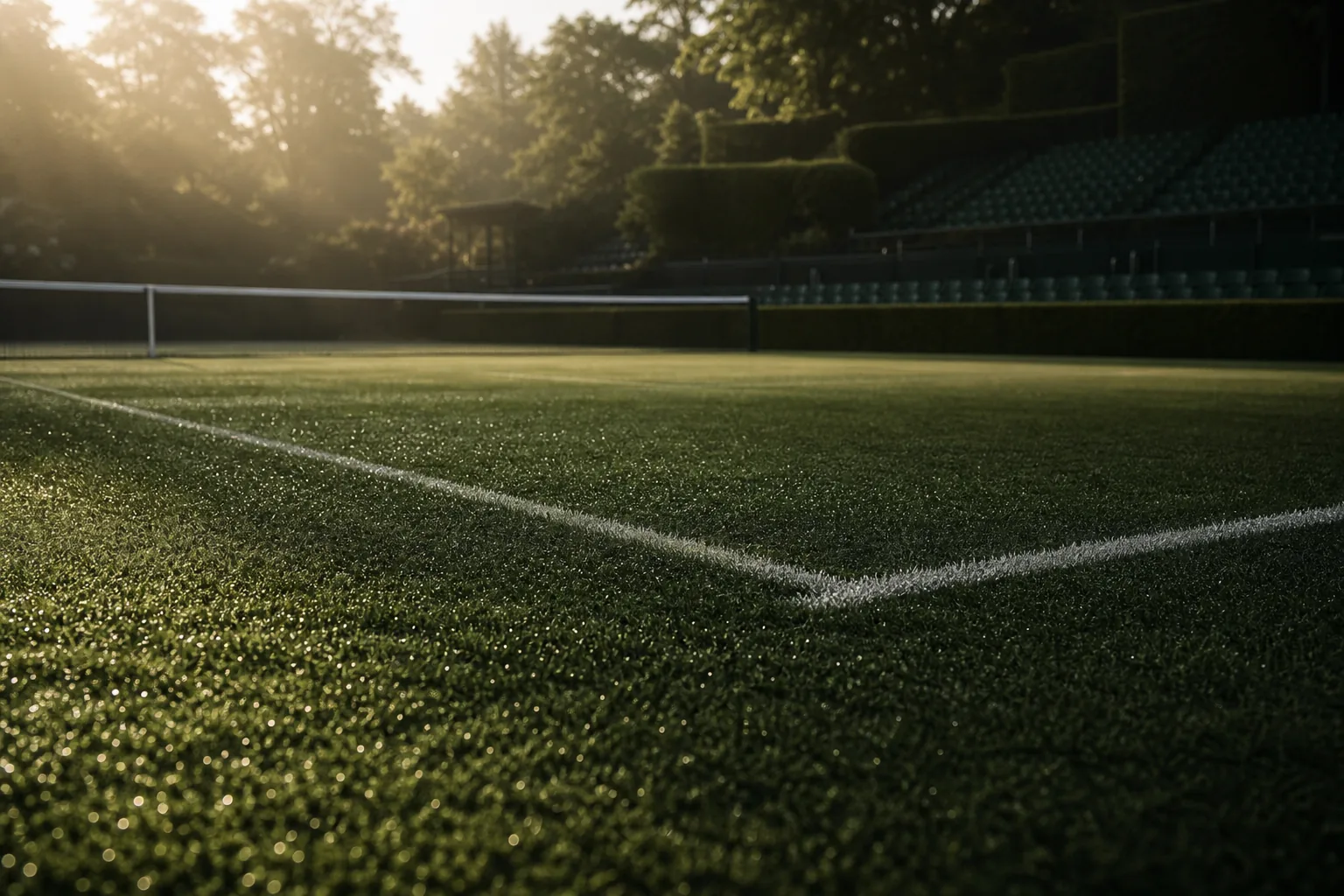
London grass, shorter points and maximum precision on a fast surface.

Dates
June 29 → July 12
Surface
🟩 Grass
Category
Grand Slam
Location
Wimbledon, GBR

Our take on the tournament

Wimbledon is the only Grand Slam played on grass. The fortnight is the most atypical of the WTA calendar, with a surface that imposes a style of play radically different from the rest of the season. The window between Roland-Garros and Wimbledon is barely three weeks, leaving players little time to relearn a low bounce, slippery footwork, and short points. That tight window, combined with grass that wears down through the draw, creates a volatility few other tournaments can match. It also explains why correlations with clay-court form stay weak, and why surface-specific reading matters most here.

Why grass changes everything

The ryegrass is cut short, around 8 mm at the start of the tournament, which produces a low bounce and a ball that skids through. Rallies shorten, the first serve takes on outsized weight, and reading trajectories demands a specific footwork pattern. By the second week, the grass wears down behind the baseline, the bounce becomes irregular, and players who take the ball early or move to the net gain ground. London weather adds its own twist, with matches interrupted, sometimes postponed to the next day, breaking rhythms. All these conditions widen the structural gap between grass-court performance and form on other surfaces.

The profiles that gain an edge in London

Serve statistics tell part of the story. On grass, the percentage of points won behind the first serve climbs, aces multiply, and breaks become rare. Powerful servers and clean attacking returners build a mechanical advantage, while pure defensive baseliners, used to rebuilding the point from deep, lose part of their toolkit. The ability to finish at the net, vary heights, and hold a slice backhand counts as much as raw pace. Players who combine a first-serve percentage above their seasonal average, a strong ratio of love games, and high efficiency on short points tend to settle in deep into the draw.

Where the model sees an edge at Wimbledon

A surface-calibrated model handles this fortnight with a grass-specific reading, independent of recent clay form. The short three-week transition window creates a notable information asymmetry, especially in the early rounds where the market still leans partly on overall rankings. The most exploitable gaps often appear in matchups between a confirmed grass-court player and a higher-ranked opponent with limited testing on the surface. The deeper the tournament goes, the more the market adjusts, and the more those gaps close. The first week, early in the draw, is where surface reading holds its highest informational value.

Track this tournament live

Live matches, detected edges, daily picks · inside your member area.

Open member area →